
An Insight into Headington Homes
Inspired by the House Like Mine Project, we look at typical features of Headington Homes and draw on past projects to illustrate some common issues & solutions. In sharing these we hope to help people understand their homes better, and show some of the tried and tested solutions to make homes more comfortable to live in.
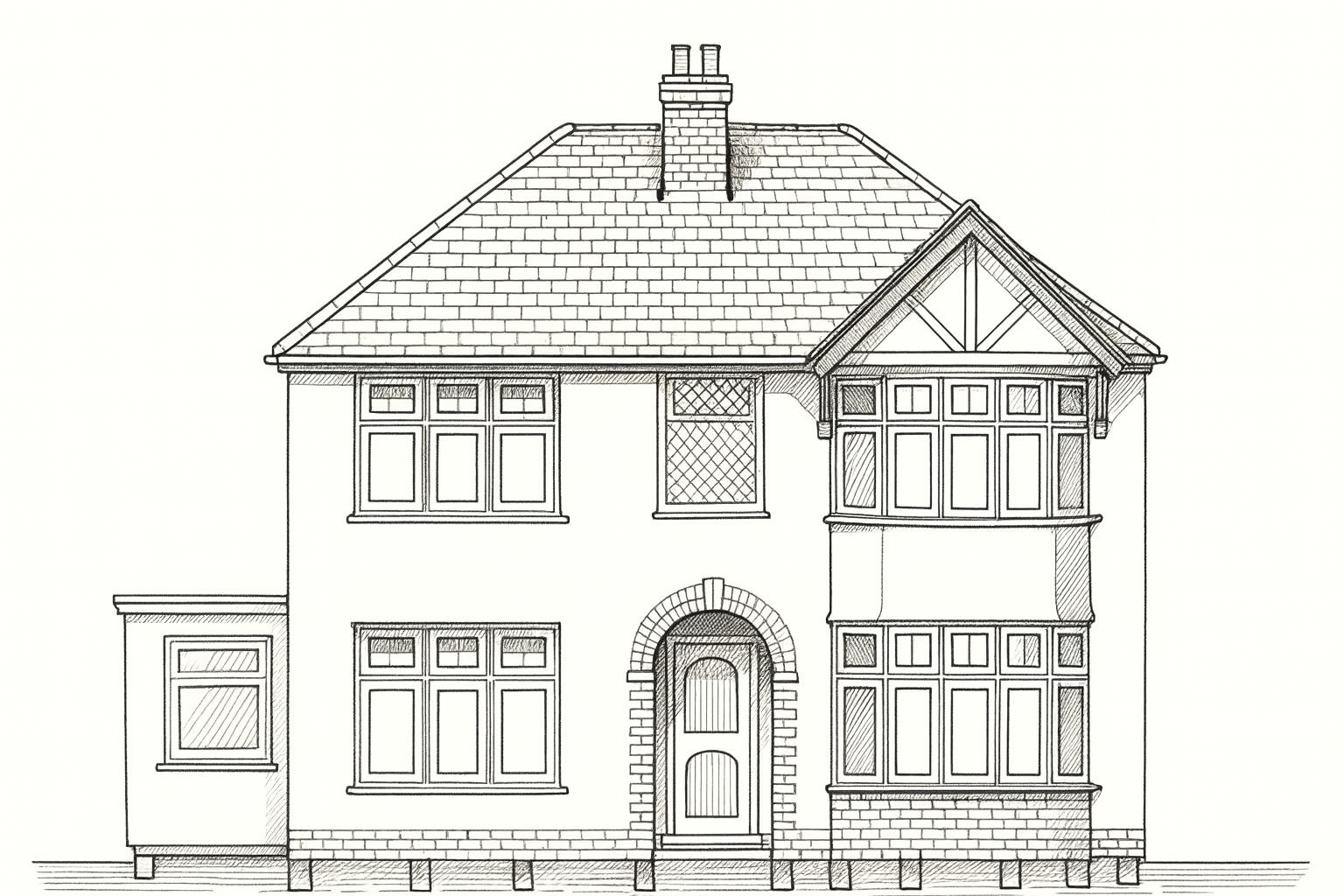
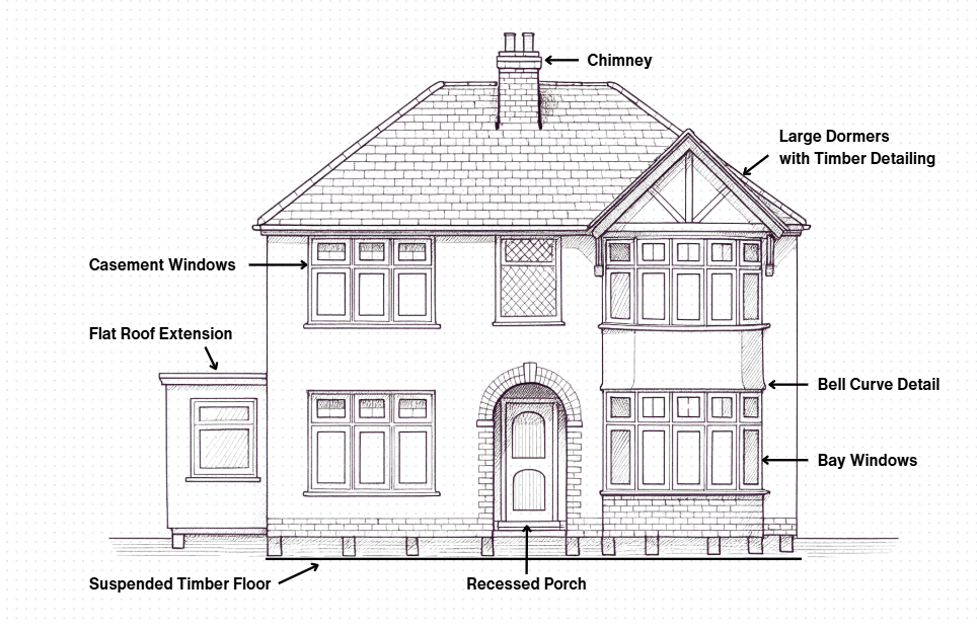
Below is an AI-generated image depicting all the features we commonly see in the area, and it’s done a surprisingly good job – if you ignore the questionable spacing of the suspended timber floor!
Lots of homes in the region were built in the inter-war period, from 1920-1939, following the 1919 Housing, Town Planning Act. This period saw a huge expansion of growth in the suburbs, with a focus on family-friendly homes designed to be affordable and spacious, with generous gardens and driveways included as car ownership became more common. It was also a key time period for the development of council homes, with the Headington Rural District Council completing the construction of their first 24 council homes in July 1920. Following the boom of several industries, notably including Morris Motors and Pressed Steel, the population rapidly expanded in this period, resulting in 1,647 new council homes being built between 1923-1930 including areas like Headington, Cowley and Gipsy Lane.
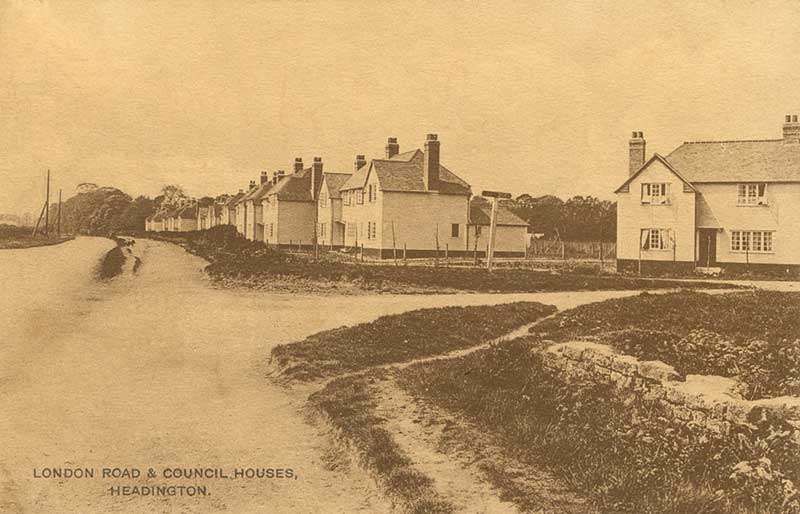
The influence of this time- period remains strong in the region, with a high proportion of semi-detached homes with classic features like large chimney stacks, bay windows, and mock timber frame gables. They are popular due to their character and generous and comfortable proportions. Extensions added across the years are also common in the region due to the amount of garden space typically available. These are often well-loved family homes that people like to grow into rather than leave.
A Closer Look at the Classic Features, and what they mean.
With any property, we typically look at the building envelope first: the areas which are either externally facing or denote the end of the heated space – Lofts/Roofs, Walls and Floors. The below guide should help you to understand the features of your home better, identify areas which can be improved and what that might look like. We’ve started with the easiest and least disruptive measures first.
Quick Navigation
- Chimneys
- Cavity Walls
- Loft Insulation
- Drafty Dormers? (Extension of the loft/roof space)
- Solar
- Windows
- Cold Feet? (Suspended Timber Floors)
- External Walls
- Summary
Chimneys
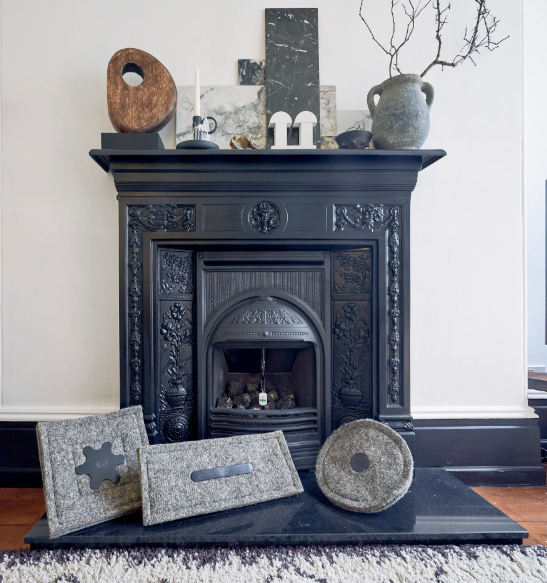
Fireplaces can be a lovely feature in a home, whether this is a working fire or an aesthetic feature. However, when not in use, they are a big source of heat loss. There are a few options to help mitigate this effect. If you are actively using your fire, a Chimney Sheep is a great option to ‘plug’ the chimney between uses. These are made from sheep’s wool and come in a variety of standard sizes, as well as a bespoke option. You will need to measure the size of the opening to select the best option.
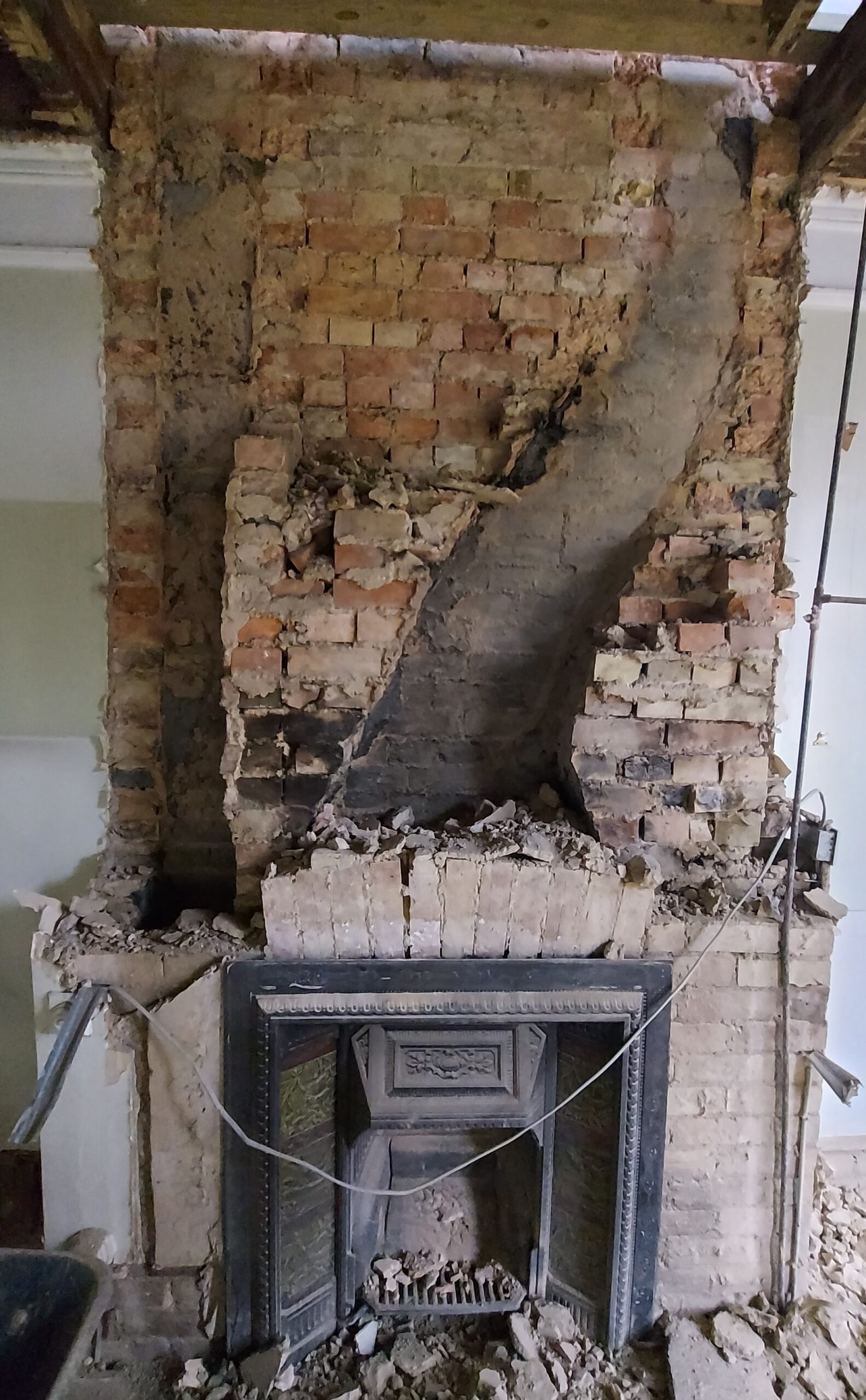
If your chimney is no longer in use and you want to permanently block it, it’s important to ventilate the chimney stack. Any remaining soot is highly acidic, so if condensation forms it can eat away at the bricks which are hidden from sight. See below an image of a chimney stack mid-removal in a Victorian home which shows this build up of soot engrained in the bricks clearly. The fireplace was salvaged to be given a new life.
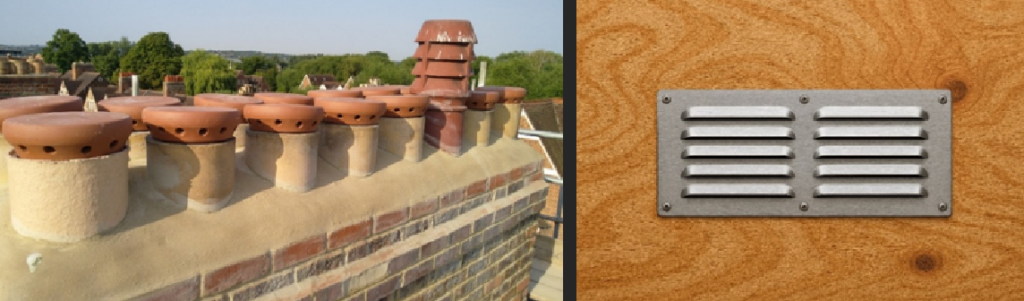
At the top of the chimney, terracotta cowls stop birds from roosting in your chimney pot but still allow airflow through them. Solutions for blocking the base of the chimney could include a range of things, like a plyboard with a small grill fitted and flexible insulation like sheep’s wool above it. They should never be sealed with something non-breathable like plastic or metal in a fully airtight manner.
Cavity Walls
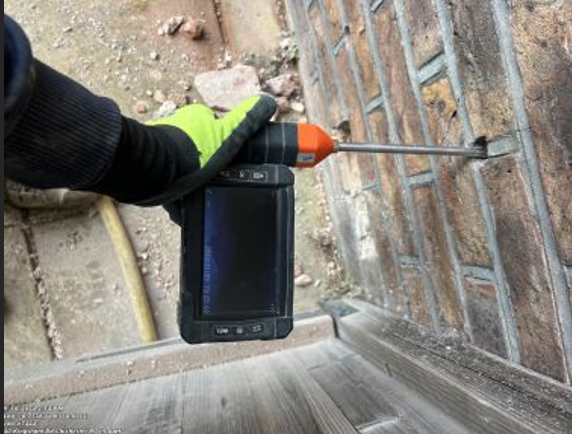
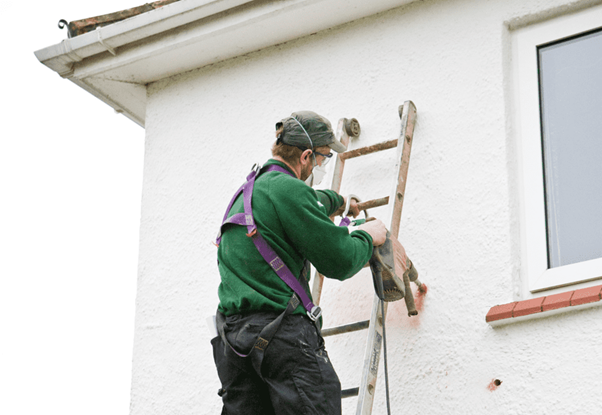
Cavity Walls are common in Headington. To investigate if they are performing well or need extracting and refilling, a borescope survey is carried out. By drilling a series of holes in different sections of the wall and inserting a camera, the insulation type and coverage can be assessed.
If it does need removing this is a very quick and simple process, with the material being sucked out within one day, and the refill occurring on a separate day. All of the holes are then re-filled with mortar to re-seal the system. Having good cavity wall insulation can make a real difference to a home’s performance as it prevents ‘Wind Wash’, i.e. the cold air reaching the 2nd wall on the interior side. It is imperative that Cavities are filled if you want to install External Wall Insulation, or the wind wash will negate any benefits from the insulation.
Loft Insulation
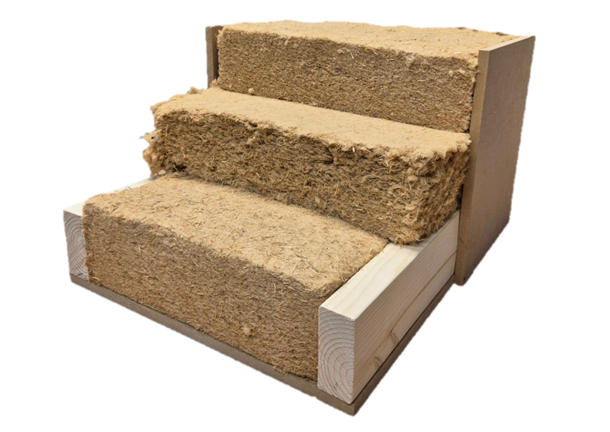
The high pitch of many of the archetypal homes make them viable to be turned into what we would call a Room in Roof. This essentially means you bring the room within the heated, building envelope, by insulating it at the roof level. For homes which don’t have this feature, insulating at the loft joists is cheap and effective. When using materials like Rockwool or Woodfibre insulation, you will need a minimum of 270mm thickness. Because of its height, it’s worth considering having loft boarding installed in areas where you’d like to store items, or may need to walk across for maintenance purposes, like a water tank/cylinder. This is because you will no longer safely be able to see where the joists are which are structurally sound enough to carry your weight – best case you will squash down the insulation, worst case you may find yourself falling through the ceiling…
Drafty Dormers?
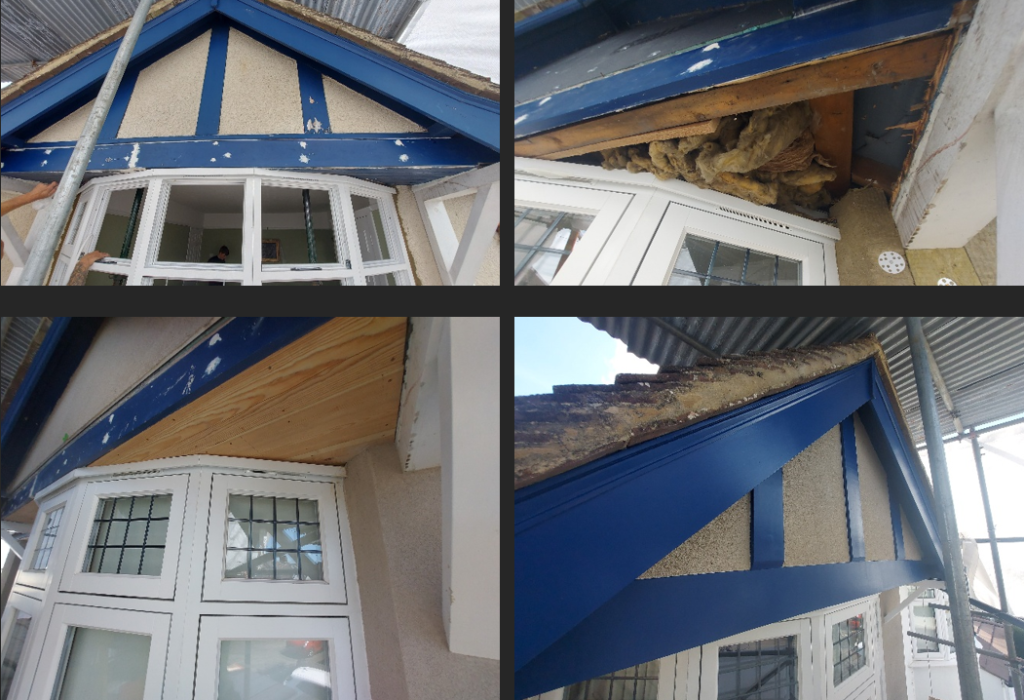
In Headington, the dormers are often an extension of the loft/roof space and we find if there is insulation present, it tends to be highly patchy and uneven. This causes a real cold spot in the bay window area of a room. When insulating the loft space it’s important that the insulation reaches all the way into the dormer and is neatly laid to ensure it doesn’t become a cold spot. See below an example of this process, in this case the dormer needed some repairs to the timber alongside upgrading the front façade to match the External Wall Insulation being carried out.
Solar
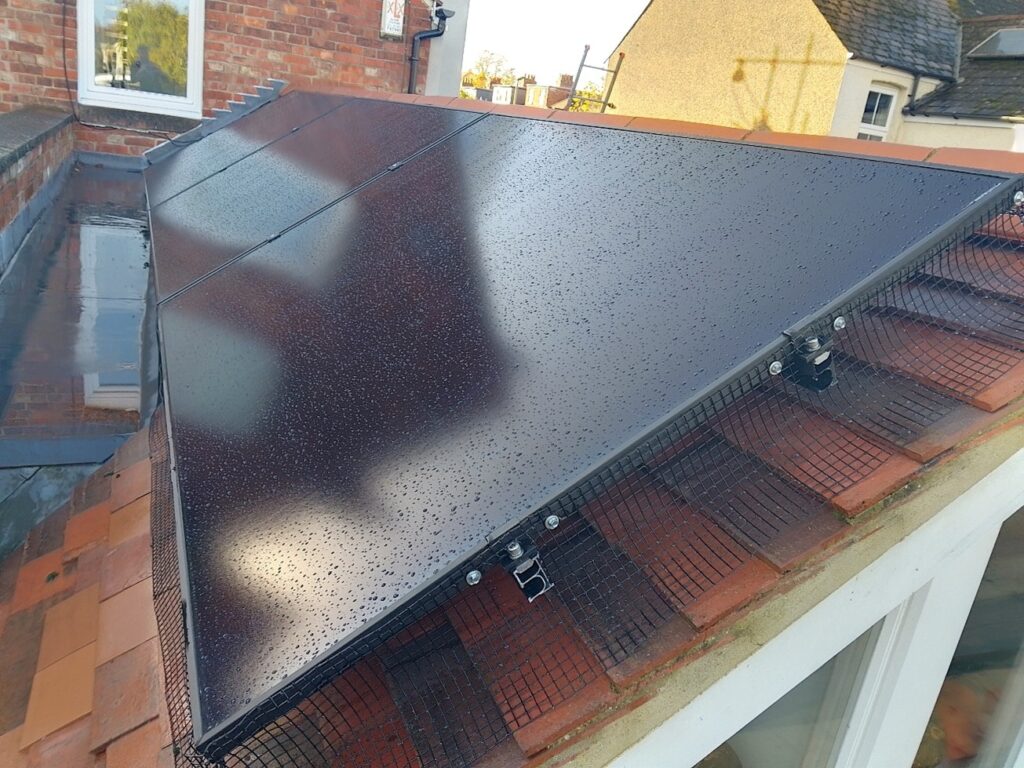
Many homes in Headington have a generous amount of roof space; however, large chimney stacks and dormers can reduce the number of solar panels that can be installed.
Individual panels have become much more efficient in recent years, and pairing a battery with the system can allow you to draw electricity from the grid at a cheaper night-time rate, depending on your provider.
Even if you can only fit a few panels on your roof, it is still worth considering solar. If you’re curious whether your home has good solar potential, take a look at the free Solar Wizard tool by the Centre for Sustainable Energy.
Windows
Casement windows and Bay windows are a classic feature in Headington Homes. Particularly if they are made from PVC, an easy way to check if it is worth upgrading them is to find out when they were installed. In 2002 new energy efficiency regulations came into effect meaning that they had to reach a minimum standard and be installed by a competent person. Any installed before this date tend to be of a much worse quality due to the lack of regulation.
Other elements to look out for are blown windows – this tends to show through condensation trapped between the glazing.
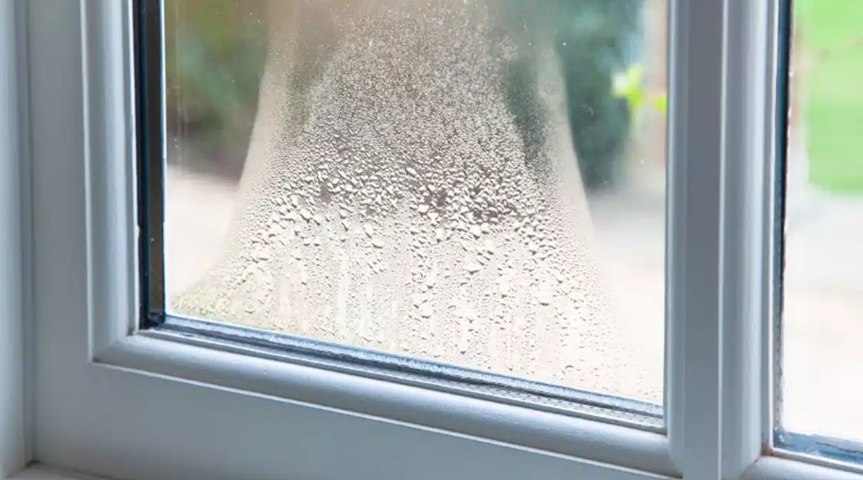
Replacing windows isn’t majorly disruptive, if you don’t have a large volume this can even be completed within a single day, and often can be done without scaffolding. If you have Bay Windows these will require careful measuring of the angles between panes to ensure a perfect fit. It is also really important to make sure that any replacements include high-quality sealing products like expanding tape around the frames, and airtightness tapes to the reveals. By doing so they will stand the test of time, with no drafts, water ingress or condensation build-up.
If you can feel a cold draft down the sides of your window, or condensation often forms, but your windows are relatively new, there is an alternative option to replacement. In this scenario the issue is down to how well the window has been installed in respect to airtightness and insulation around the reveals. It is possible to strip back the surrounds and install insulation which will stop the cold breeze and prevent the condensation build up. There are several different products and materials well-suited to this, selecting one is often determined by the amount of space available.
Cold Feet?
Suspended Timber Floors are a common feature in Headington. An easy way to check if you have this type of flooring is by looking to see if you have visible Air bricks at the base of your walls, like so:
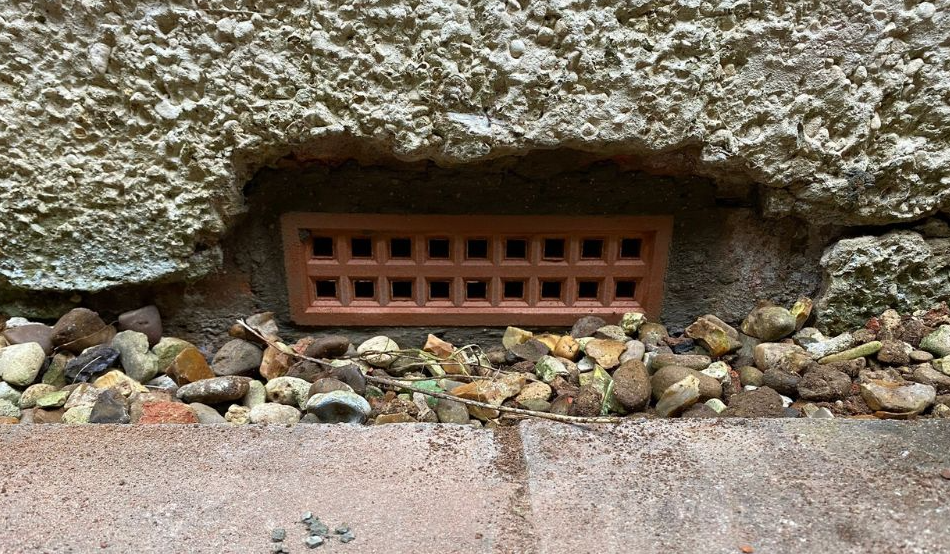
These are an important feature, as they allow ventilation below the floor to prevent any condensation build up. If this is not adequate, over time structural beams can slowly rot and cause major problems. It is therefore advisable to check if these are obstructed, by earth or even filled in with silicone, in an ill-informed attempt to reduce cold drafts.
The cause of the cold drafts is that buildings of this era typically had suspended floors installed without insulation, and thus the cold air can easily creep up through the floorboards.
We often specify one of two solutions: flexible insulation battens in a hammock system, or sprayed insulation from the underside where lifting the floorboards is not possible.
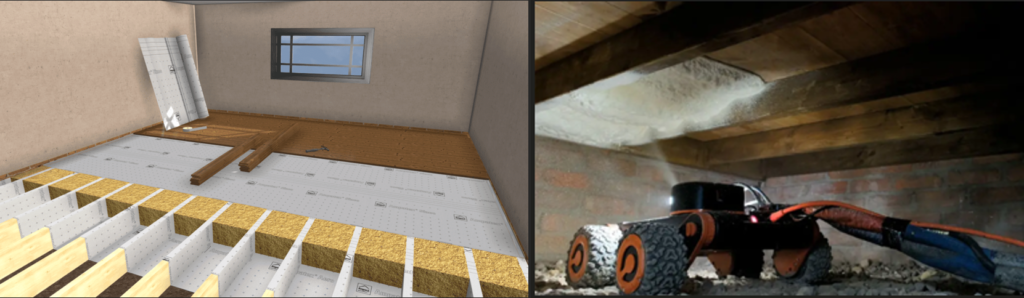
Using batts of Rockwool or wood fibre provides the added benefit of acoustic insulation due to their density, meaning sound will carry less between floors. They are installed within membranes (similar to those used in roofing) to prevent moisture ingress and to keep them securely in place.
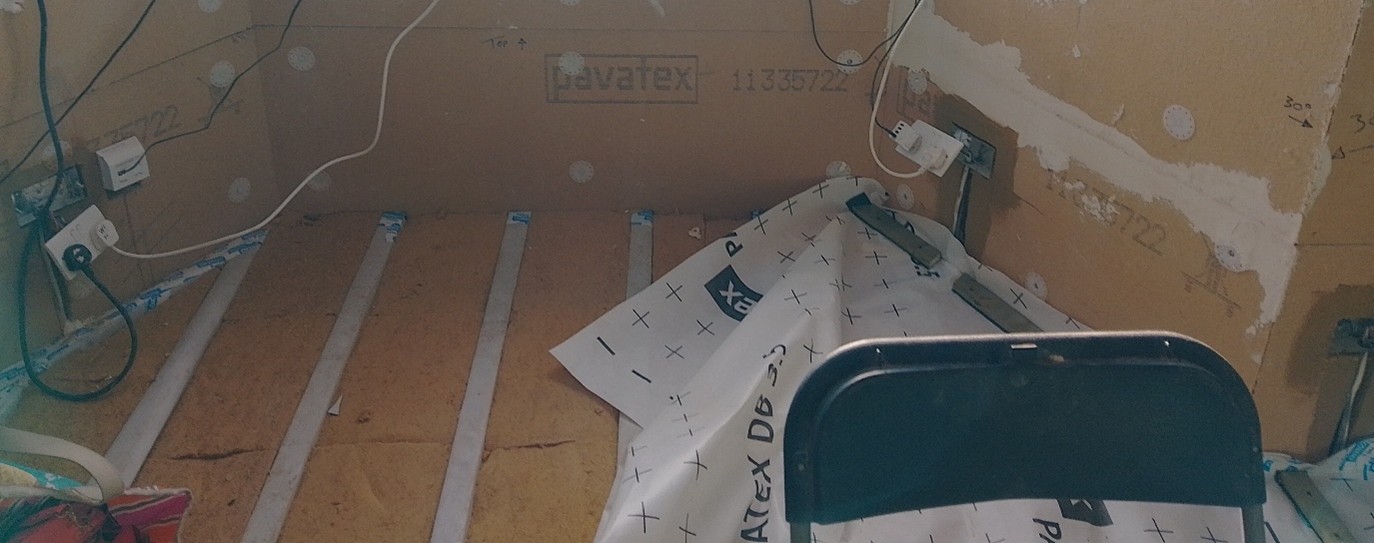
Generally, we tend to avoid the use of spray foam as a form of insulation. However, the underfloor system is a very specific and controlled situation which has plenty of ventilation. This negates the issues commonly associated with applications in other parts of buildings. The system has also been rigorously tested with moisture monitors in several different scenarios.
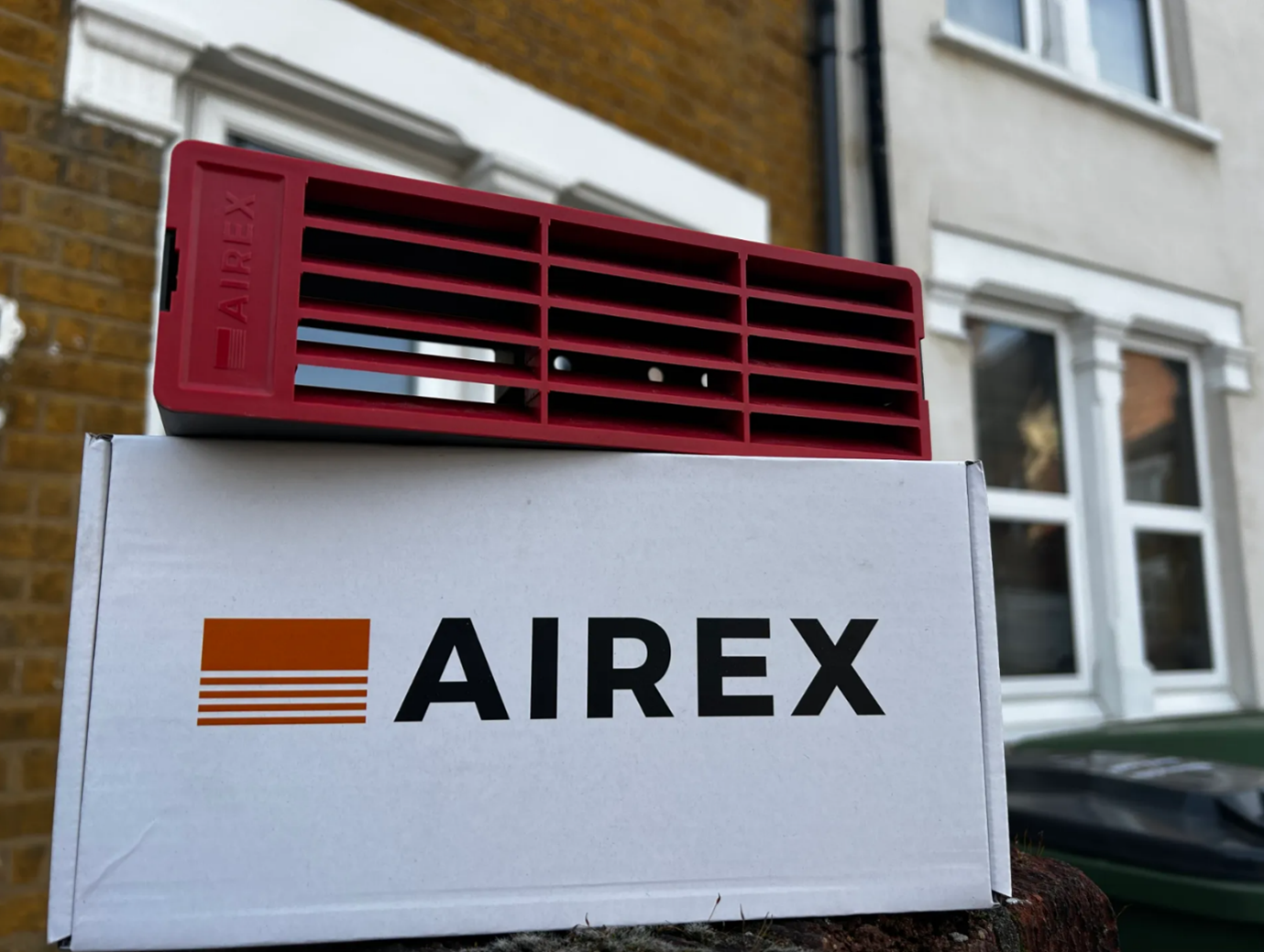
An additional detail which can help to save on heat loss, is replacing standard air bricks for AirEx humidity-controlled bricks. These detect humidity and let fresh air through when it is required. They also shut during low humidity periods, stopping the entry of cold air when it is not required to alleviate condensation build-up. It’s a really smart gadget, and low-cost, and can be installed regardless of whether you are upgrading your insulation.
External Walls
In Headington, smooth or pebbledash render is a typical feature of homes. This means that External Wall Insulation will not change the look of the façade and therefore does not require planning permission to be installed.
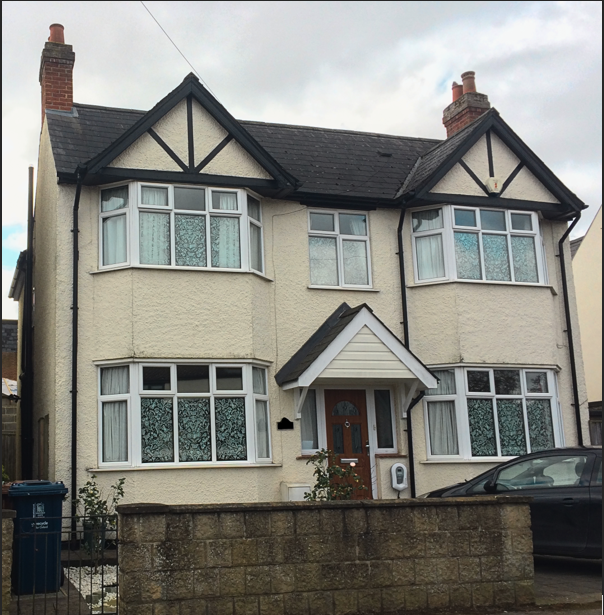
External wall insulation is more cost-effective than internal wall insulation to cover the entire space of the building envelope and is much less disruptive. That being said it is still an investment, and the details like extending roof verges, moving gate posts, scaffolding, and guttering/downpipes can add to the cost as they are essential to make it possible. However, it can make a huge difference to the comfort of your home and reduce your energy usage, as well as improving the aesthetic. In the below photo, you can see the completed EWI at a property. The final finishing works, including reinstating the garden shed and fencing took place after this photo and illustrates some of the considerations for enabling works.
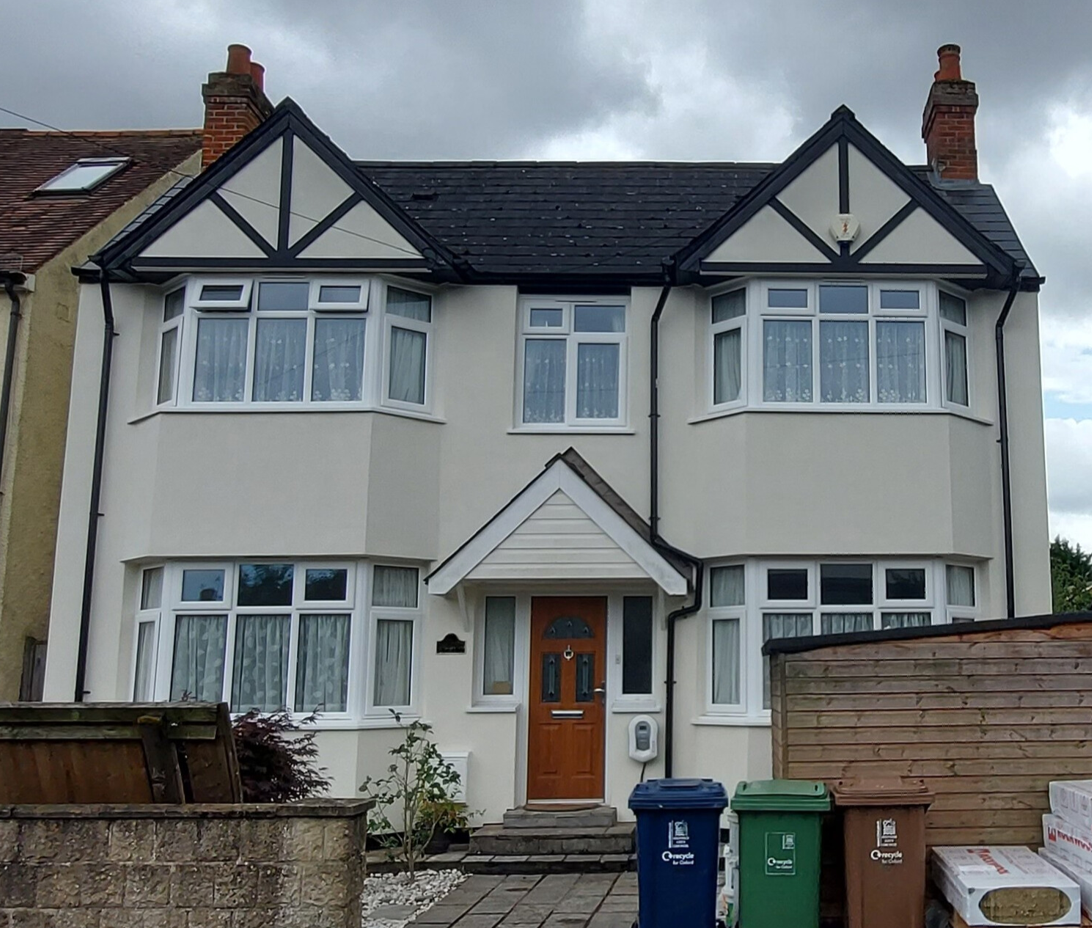
We typically specify 100mm of Rockwool insulation, as the density of the boards can help prevent overheating in the summer, as well as keep you warm in the winter. As Bay windows are a structural feature, and if they are moved it changes the angles/sizing of the units, we typically leave them inset rather than bringing them out to the new wall-line of the external wall insulation. By doing so, this can also introduce some solar shading to reduce overheating in the summer.
If you have a recessed porch, it is important to insulate inside of this to prevent a cold bridge.
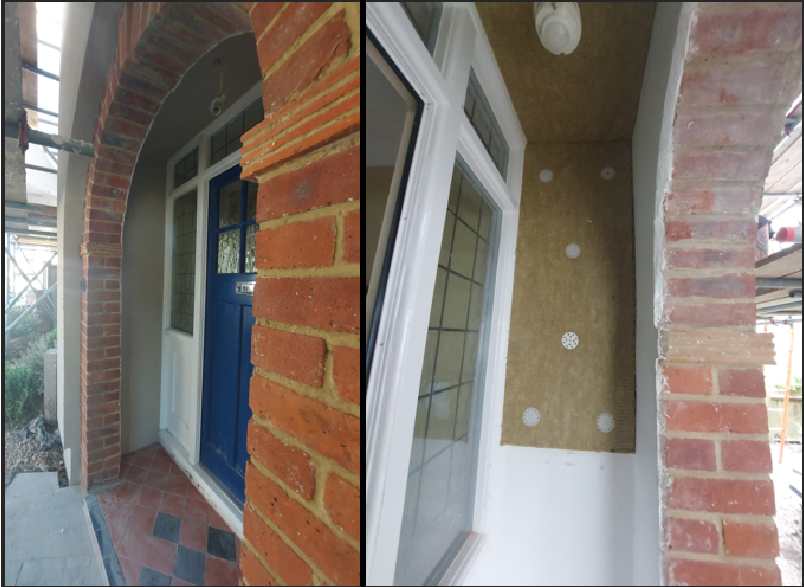
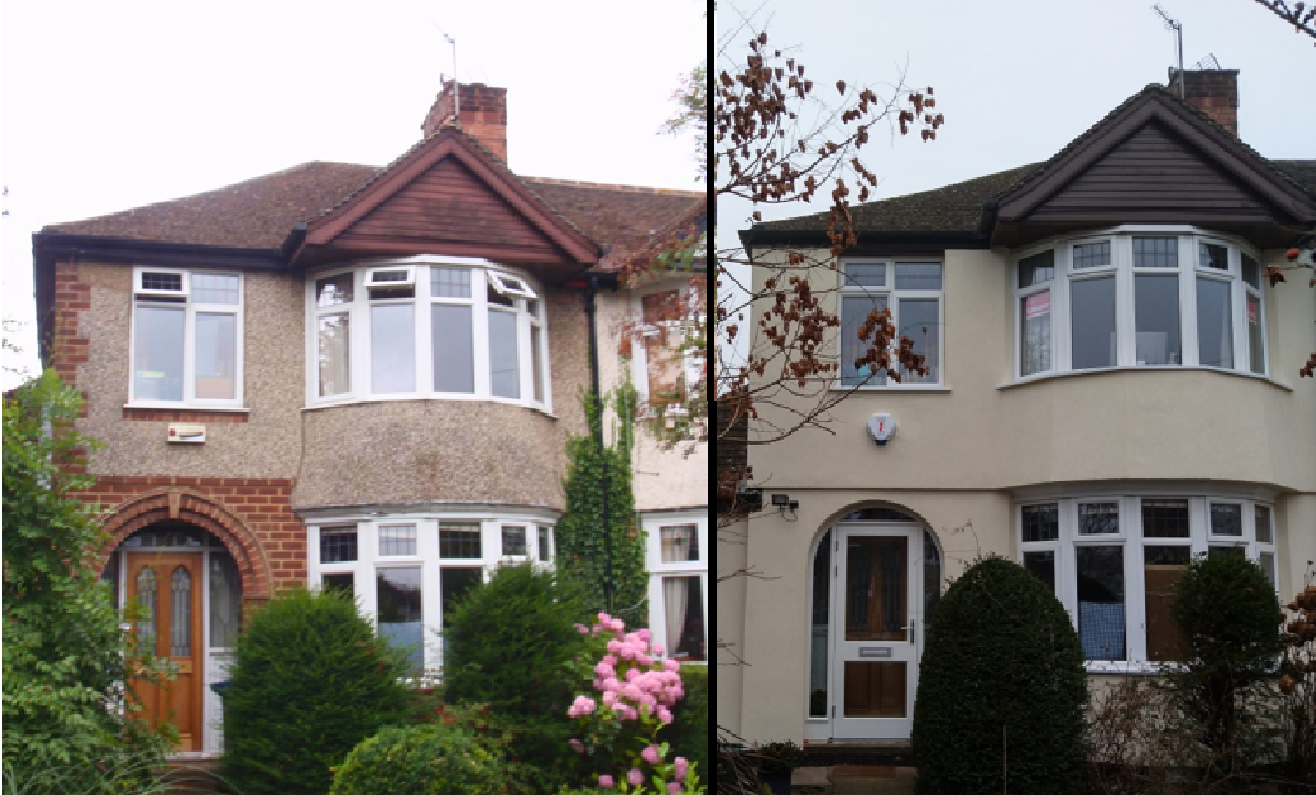
Alternatively, another option would be to introduce a new external door to enclose the recessed porch within the building envelope. The below before and after is from a home in Rose Hill, which matches a lot of features to those typical of Headington. Of particular note, there is a bell curve feature above the ground floor bay windows in the original. This is a classic Victorian/Edwardian style feature which was designed to make any rainwater drip away from the below bay window and wall, protecting it from water damage. It was reproduced in a lot of homes in the inter-war period who drew on Victorian, Edwardian and Arts and Crafts inspirations.
In this case, our clients chose not to include the feature in the design of the new EWI. The modern techniques and materials of both the EWI and the Windows are far more weatherproof and robust.
Summary
Bringing all these elements together, Headington’s inter-war homes reveal a blend of character, craftsmanship and quirks that make them both charming and occasionally challenging to live in. By understanding how features like chimneys, lofts, floors, windows and external walls were originally built—and how they perform today—it becomes much easier to make thoughtful upgrades that improve comfort, efficiency and longevity without losing the qualities people love about these houses. With the right combination of practical fixes and well-considered investments, these homes can continue to evolve with the families who live in them, remaining warm, resilient and full of life for decades to come.
If you’d like to speak to us about the support we can offer in undertaking any renovations and retrofit measures, or need help knowing where to start, you can book a free consultation call with our Retrofit Advisor, Arantxa here.